Sainte-Foy
Proximity to university hubs and commercial centers ensures a 5.2% average net yield for residential units.
VIEW DISTRICT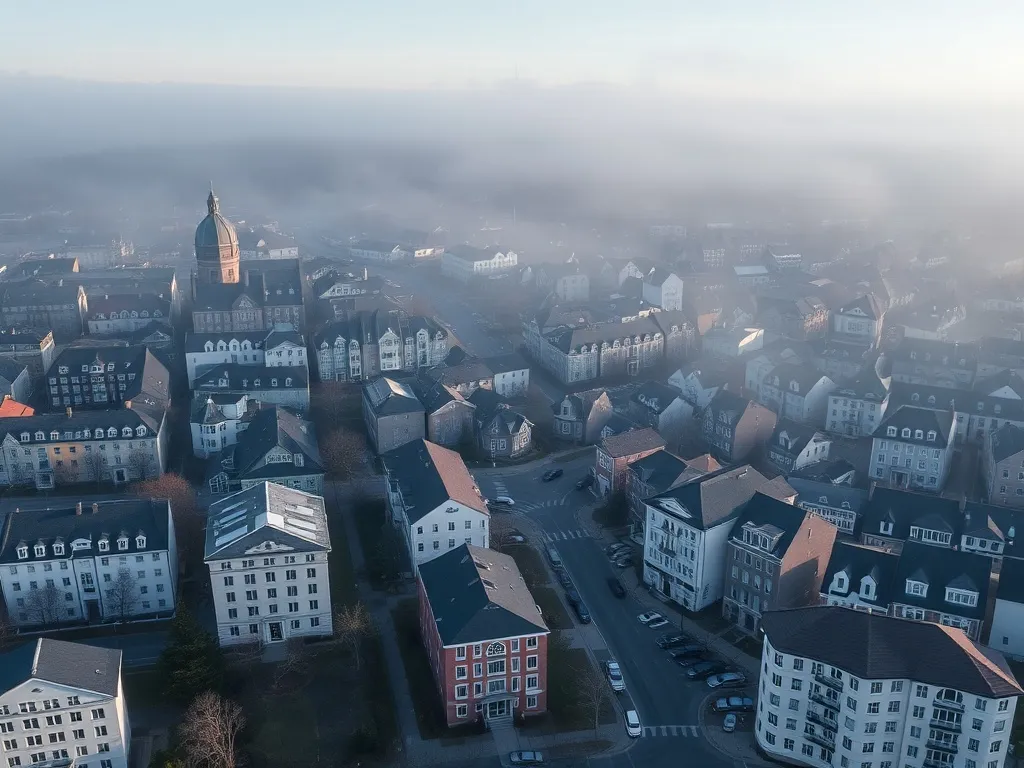
Precise data for informed decisions. We analyze the provincial housing landscape through numerical clarity and structural logic.
EXPLORE DATAThe Quebec real estate market operates on principles of steady appreciation and demographic shifts. Unlike the volatile peaks of Toronto or Vancouver, Quebec offers a predictable trajectory rooted in diverse industrial growth and stable migration patterns. Investors prioritize the province for its lower entry barriers and consistent rental demand.
Understanding the Investment Methods requires a deep dive into the specific metrics of the Capitale-Nationale region. Our analysis focuses on price-to-rent ratios and the impact of interest rate fluctuations on local inventory levels. We observe a shift toward multi-family dwellings in urban cores.
Proximity to university hubs and commercial centers ensures a 5.2% average net yield for residential units.
VIEW DISTRICTThe "plex" market here remains the most resilient, with low vacancy rates and consistent rental escalations.
VIEW DISTRICTIncreasing demand for suburban single-family homes has pushed capital appreciation to 6.8% annually.
VIEW DISTRICTA decade of data reveals the cyclical nature of the Quebec market. While global pressures affect local pricing, the provincial regulatory environment provides a buffer against extreme downturns. Refer to the Quebec Property Law for context on rent controls and ownership rights.
| Year | Median Price (CAD) | Volume of Sales | Active Listings |
|---|---|---|---|
| 2023 | $462,000 | 12,450 | 3,100 |
| 2022 | $441,000 | 14,200 | 2,850 |
| 2021 | $398,000 | 15,800 | 2,100 |
| 2020 | $345,000 | 11,900 | 4,200 |
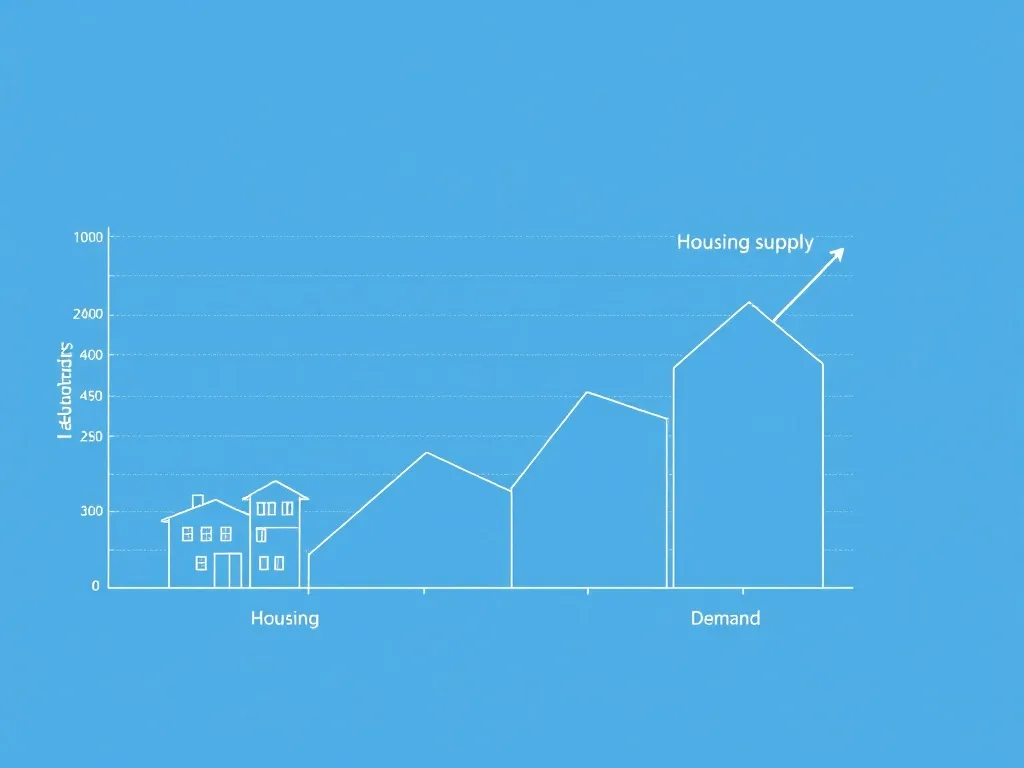
The current vacancy rate in the Quebec City metropolitan area sits at a historic low of 1.2%. This scarcity of supply is driven by a slowdown in new construction starts and a steady influx of international students and skilled workers. For investors, this translates to high occupancy security and upward pressure on market rents.
Strategic capital allocation should consider the Mortgage and Capital requirements currently shaping the market. Leverage remains a powerful tool, but debt service coverage ratios (DSCR) must be calculated with conservative vacancy assumptions to ensure long-term portfolio health.
We anticipate that the vacancy rate will remain below 2% for the next 18-24 months. Construction delays and labor shortages continue to hinder the delivery of new units, further tightening the secondary rental market.
Data is only valuable when applied to a specific strategy. Review our comprehensive guide to start your journey in the Quebec property market.